
Beginner's Guide to Cat Litter Boxes: Types, Setup, and Cleaning
A beginner's guide to choosing, setting up, and cleaning a cat litter box, from covered versus uncovered...

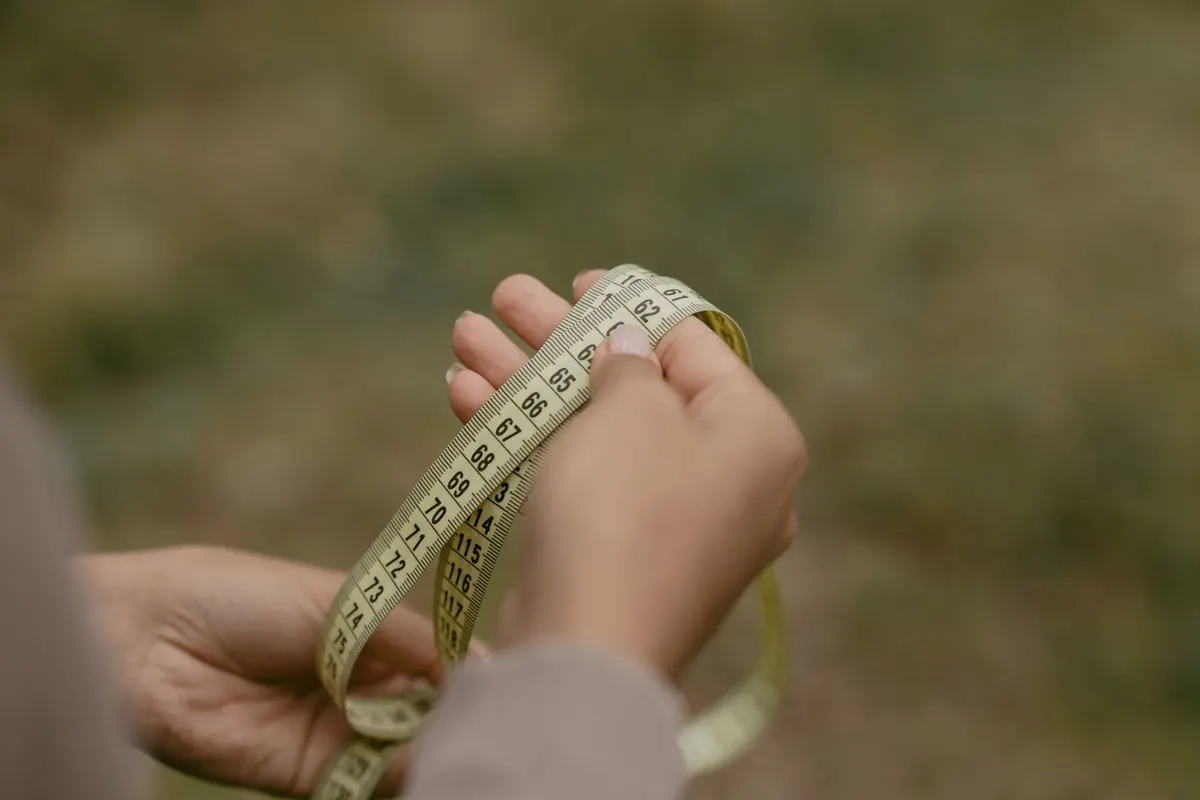
A harness that fits well disappears. You clip the leash, the dog walks, and nothing shifts or rubs. A harness that fits badly announces itself on every walk: straps slide to one side, webbing creeps into the armpits, and a week later you find a red mark behind the front legs. Getting it right comes down to two numbers — neck and chest girth — and about two minutes with a soft tape measure.
You need a soft fabric tape measure, the sewing kind. If you don't have one, use a piece of string or a phone cable, then lay it flat against a ruler. A helper is useful for wiggly dogs, and a few treats make the whole process faster.
Have your dog stand on a flat surface, all four feet square under them, head up. A lying-down dog gives you a short reading, because the ribcage spreads when they settle. Write each number down as you go — you will not remember them an hour later.
One rule applies throughout: snug, not tight. The tape should lie flat against the fur without pressing it down. If you're squashing fur or pinching skin, back off a little.
Find the base of the neck — where a collar naturally settles, just below the point where the neck widens into the shoulders. Wrap the tape around the full circle and bring the ends together at the front of the throat.
Most harnesses aren't sized by neck measurement alone, but it still matters. A step-in harness has to be wide enough to pass over the shoulders, and an over-the-head style needs a neck opening that won't pinch when your dog dips their head to sniff. Note the number, and note whether your dog has a thick ruff or a thin coat; winter fur can add a visible inch.
This is the measurement that decides your size. Slide the tape around the widest part of the ribcage, right behind the front legs, and loop it back to where you started. The tape should form a closed circle — over the shoulder blades at the top, across the breastbone at the bottom — not a loose arc sagging under the belly.
For many dogs the widest point is a hand's width behind the front legs. For others it sits further back, toward the middle of the ribcage. Slide the tape forward and back and watch the number change. Use the largest reading you get; a harness sized to anything less will be tight exactly where it matters most.
Measure one side, then the other, and add the two lengths together. Or set a treat on the floor between their front paws and take the reading while they hold the position. A dog who backs away is often easier to measure facing a wall — they'd rather stand than reverse.
Sighthounds like greyhounds and whippets tend to have chests much deeper than they are wide, and some terriers are built the opposite way. If your dog's chest and neck numbers are far apart, look for a harness with several adjustment points along the chest strap so you can tighten the front while leaving the girth roomy.
Sizing charts are brand-specific. A medium from one maker can be a couple of inches smaller than a medium from another, so the letter on the label tells you very little on its own. Read the chart for the exact harness you're considering, compare it against your chest girth number, then check the neck measurement for anything that goes over the head.
The most useful detail on any chart is the adjustment range — the smallest and largest girth the harness can be set to. Your dog's measurement should land comfortably inside that range, not at either edge. If you're between sizes, pick the one that covers your number with room on both sides.
If your dog is still growing, or their weight shifts with the seasons, size up and tighten the straps down. Taking in a harness is always easier than stretching one out.
Sizing gets you close; adjusting does the rest. Fit the harness at home before you cut the tags off, with every buckle done up and the straps pulled snug. Then work through these checks:
Watch for trouble over the first few walks: rubbing behind the front legs, thinning hair along the strap line, twisting when your dog trots, or a dog who stops to scratch at their chest. Any of those means another adjustment, or a different size. If your dog develops sores, bald patches or skin irritation that doesn't clear up quickly, have a veterinarian look at it.
Fit isn't a one-time job. Puppies can outgrow a harness in a month. Older dogs sometimes lose muscle across the chest, and coats change thickness with the season — heavier in winter, thinner after a summer clip. Keep your notes somewhere handy and remeasure whenever the harness starts sitting differently than it used to. Two minutes now saves you a walk spent tugging at straps that won't stay where you put them.
Photo: cottonbro studio / Pexels
A beginner's guide to choosing, setting up, and cleaning a cat litter box, from covered versus uncovered...
Learn how crate dimensions, your dog's real measurements, and proper standing and turning room determine a...
A room-by-room checklist of the fifteen feeding, sleeping, walking, and cleanup supplies a new puppy needs...