How Casino Bonus Abuse Teams Actually Work — And How They Get Caught
Ask a bonus manager at any mid-sized online casino what keeps them up at night, and the answer is rarely...

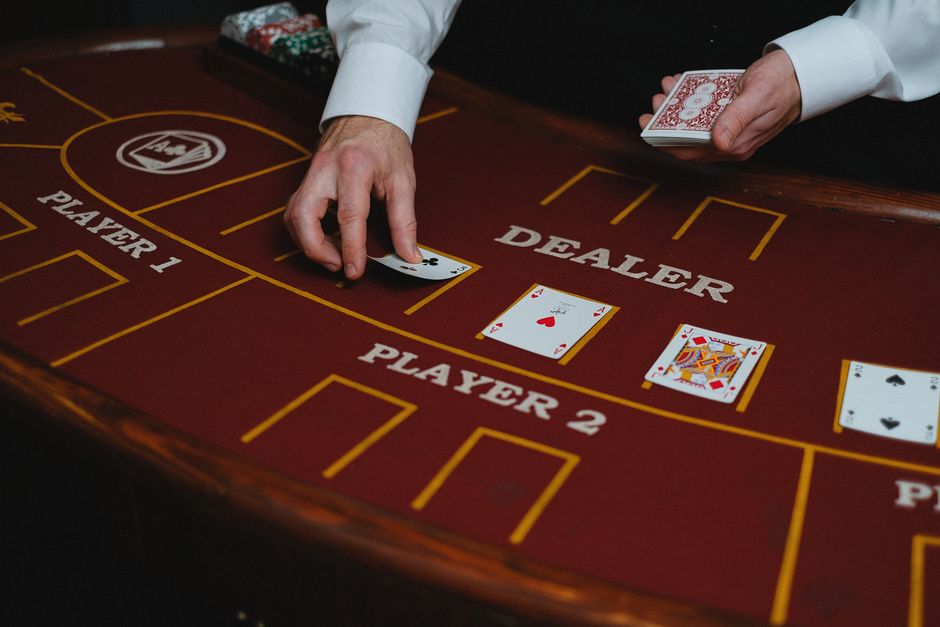
You've probably heard someone say that poker is all skill and slots are all luck. Or that sports betting is a coin flip with extra steps. The truth is messier, and understanding where the line falls can change how you play—and how much you enjoy it. After years of grinding micro-stakes poker, chasing slot bonuses, and placing more football bets than I'd like to admit, I've come to appreciate that luck and skill don't sit on opposite ends of a scale. They blend, and the ratio shifts depending on the game, the stakes, and even how long you play. Let's break it down without the usual marketing fluff.
Every iGaming activity sits somewhere on a spectrum. On one extreme, you have pure chance: a single spin of a slot machine or one roll of online craps. On the other, games where long-term decision-making dominates: heads-up poker, daily fantasy sports, or advantage play in blackjack. Most casino and betting products live in the middle.
Here's a rough breakdown of popular formats:
Notice a pattern? The longer you play and the more decisions you control, the more skill matters. Slots offer no decisions after you hit spin—so luck dominates. Poker forces hundreds of choices per session, letting skill compound.
Variance is the statistical measure of how far results swing from the average. In slots, variance is huge. A single session can see you triple your money or lose it all, regardless of your strategy. In poker, a skilled player might lose for weeks due to bad luck, then win big when variance corrects.
Here's a concrete example: In no-limit Texas Hold'em, if you get all-in with aces against kings preflop, you win about 80% of the time. That 20% loss isn't a mistake—it's variance. Over 10,000 such situations, you'll profit, but in one night, you might go broke. That's why bankroll management is a skill in itself. A good player with a $1,000 bankroll won't sit at $5/$10 tables; they'll play $0.25/$0.50 to survive the swings.
Slots players face similar swings, but without the ability to influence outcomes. The only lever you control is bet size relative to your bankroll. If you have $200 and play $5 spins on a high-volatility slot, you're likely to bust fast. Drop to $0.50 spins and you can last hundreds of spins, giving the RTP a chance to play out. If you want to dig deeper, สล็อต is worth a look.
If you want to shift the odds in your favor, focus on games where your decisions matter. Here are three practical steps to build real skill:
Even slot players can build one skill: understanding slot volatility and RTP. Low-volatility slots pay small amounts frequently, keeping you in the game longer. High-volatility slots offer huge jackpots but long dry spells. Match the slot to your bankroll and risk tolerance. That's not gambling—that's planning.
No matter how skilled you are, the house edge is a tax on every bet. In slots, it's built into the RTP—typically 92% to 97%. That means for every $100 wagered, you lose $3 to $8 on average. Over 1,000 spins at $1 each, you'd expect to lose $30 to $80. Skill can't change that math; only choosing higher-RTP slots can.
In poker, the house takes a rake (a small cut of each pot). That's why beating micro-stakes is harder than it looks—the rake eats into your winnings. A 5% rake might not sound like much, but over thousands of hands, it's a significant drag. Skilled players move to higher stakes where the rake is proportionally smaller.
Sports betting has a vig (commission) baked into the odds. A standard -110 line means you bet $110 to win $100. That 4.5% edge for the book is your hurdle. To profit long-term, you need to win more than 52.4% of your bets—which requires genuine skill in picking lines and timing.
So what should you actually do with this information? Here are a few hard-earned lessons:
One more thing: skill doesn't guarantee profits. Even the best poker players have losing months. The goal is to make better decisions, not to win every time. That mindset shift keeps you sane and improves your results.
iGaming isn't a battle between luck and skill—it's a dance. Luck decides individual outcomes; skill decides how many opportunities you get and how you handle them. If you want to feel more in control, gravitate toward games with decision points. If you just want to unwind, embrace slots for what they are: a spin of the wheel with predetermined odds. The real skill is knowing which one you're doing, and never confusing the two. So next time you log in, ask yourself: am I playing to win, or playing to play? Both are valid—as long as you're honest about which one it is.
Ask a bonus manager at any mid-sized online casino what keeps them up at night, and the answer is rarely...
Most slot players have a vague sense that the house always wins in the end. Fewer understand exactly why,...
You can spot them from across the casino floor. The slot player leans in, eyes locked on spinning reels,...