
Crate Sizes Explained: How to Pick the Right One for Your Dog
Learn how crate dimensions, your dog's real measurements, and proper standing and turning room determine a...

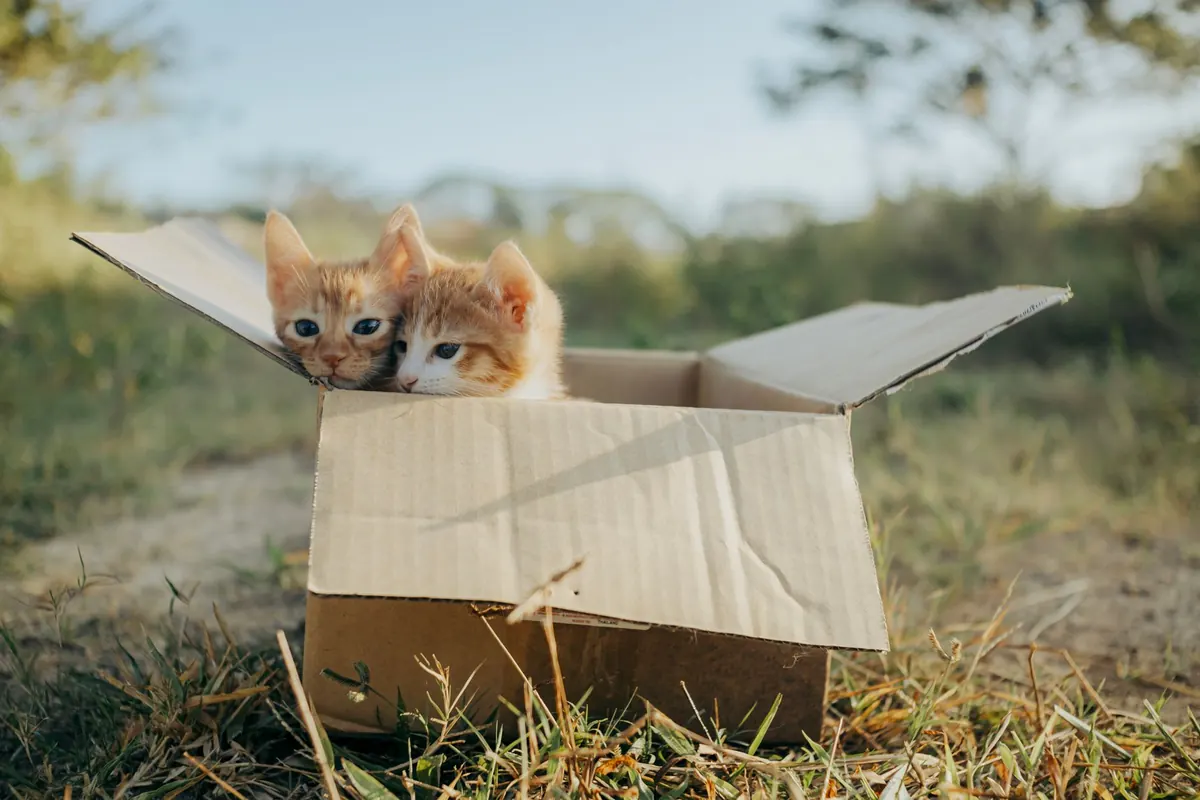
A litter box isn't glamorous, but it's the piece of cat equipment your cat will use more than any toy, bed, or scratching post. Most litter box complaints — scattered litter, lingering smell, a cat who suddenly goes behind the couch — trace back to setup mistakes rather than a difficult cat. Get three things right: the box itself, the litter inside it, and where you put it. Add a cleaning routine short enough that you'll actually keep it up, and you've solved most of what can go wrong.
An open pan is the default for good reason. Air moves freely, so odors don't concentrate, and you can see at a glance whether your cat is producing normal urine and stool — often the first sign of a health problem. Kittens, senior cats, cats with arthritis, and cats in multi-cat homes tend to do better with open boxes because there's no single doorway for another cat to block.
Hooded boxes appeal to people. They hide the contents, contain some scatter, and give the cat privacy. The trade-offs are real: a covered box traps ammonia and moisture, so litter smells stronger sooner, and the single entry can feel like a dead end to a cat who's been ambushed before. If you like the look, choose one with a wide opening and a removable lid, clean it more often than you would an open pan, and consider offering both so your cat decides.
Litter matters as much as the box. Cats have firm opinions about texture and scent, and switching abruptly is a common reason a cat stops using the box.
Whatever you pick, unscented is usually the safer bet. Litter that smells like a perfume counter is for the human, not the cat, and a strong scent can send a cat looking for a quieter corner of the house. Fill two to three inches deep for clumping litters, more for enthusiastic diggers. For very young kittens, ask your vet about litter choice — many suggest non-clumping until kittens stop tasting everything they touch.
Most boxes sold as "large" are too small for a full-grown cat. A good rule of thumb: the box should be roughly one and a half times your cat's length from nose to the base of the tail, with sides four to six inches high. A plastic storage bin with a doorway cut into one side makes an inexpensive upgrade, and it works well for cats who urinate over the edge of a standard pan.
On quantity, the long-standing advice holds up: one box per cat, plus one extra. Two cats means three boxes, ideally in different rooms rather than lined up side by side. In a multi-level home, put at least one box on each floor so a cat never has to choose between a long trip downstairs and holding it. Senior cats need low entry and a steady floor; a small step or ramp helps if jumping in has become awkward.
If you need to move a box, do it gradually — a few inches a day — or set up the new box first and remove the old one once the new one is clearly in use.
Skip bleach and ammonia-based cleaners. Ammonia smells like urine to a cat, which can encourage repeat marking, and harsh disinfectants are easy to leave behind in a scratched pan. Hot water and mild soap handle almost everything.
Wear gloves and wash your hands afterward. If you're pregnant or immunocompromised, ask your doctor about litter box duties — it's a reasonable question, and someone else can take over temporarily.
If a cat who always used the box starts going elsewhere, look at what changed: new litter, a moved box, a new pet, or a box that's gone too long between cleanings. Then rule out health. Straining, crying, repeated trips with little output, blood in the urine, or a first-ever accident in a cat with a spotless record are all reasons to call your vet. Urinary blockages in male cats are emergencies — don't wait to see if it passes. Clean accidents with an enzymatic cleaner so residual odor doesn't draw your cat back to the same spot.
Offer one or two options: an open box with unscented clumping litter in a quiet spot, and, if you like the look, a covered box elsewhere. Watch which one gets used and adjust from there. Cats are consistent, and they'll tell you clearly what they prefer. A box your cat uses every single time is worth more than a stylish one in a bad location — so keep the scoop handy, keep the routine boring, and you'll both think about the litter box a lot less.
Photo: Nothing Ahead / Pexels
Learn how crate dimensions, your dog's real measurements, and proper standing and turning room determine a...
Two measurements, a soft tape measure and two minutes: how to size your dog's neck and chest, read a...
A room-by-room checklist of the fifteen feeding, sleeping, walking, and cleanup supplies a new puppy needs...