
Apartment Pet Setup: Small-Space Supplies for City Dogs and Cats
A practical guide to outfitting a small city apartment for a dog or cat, covering space-saving beds,...

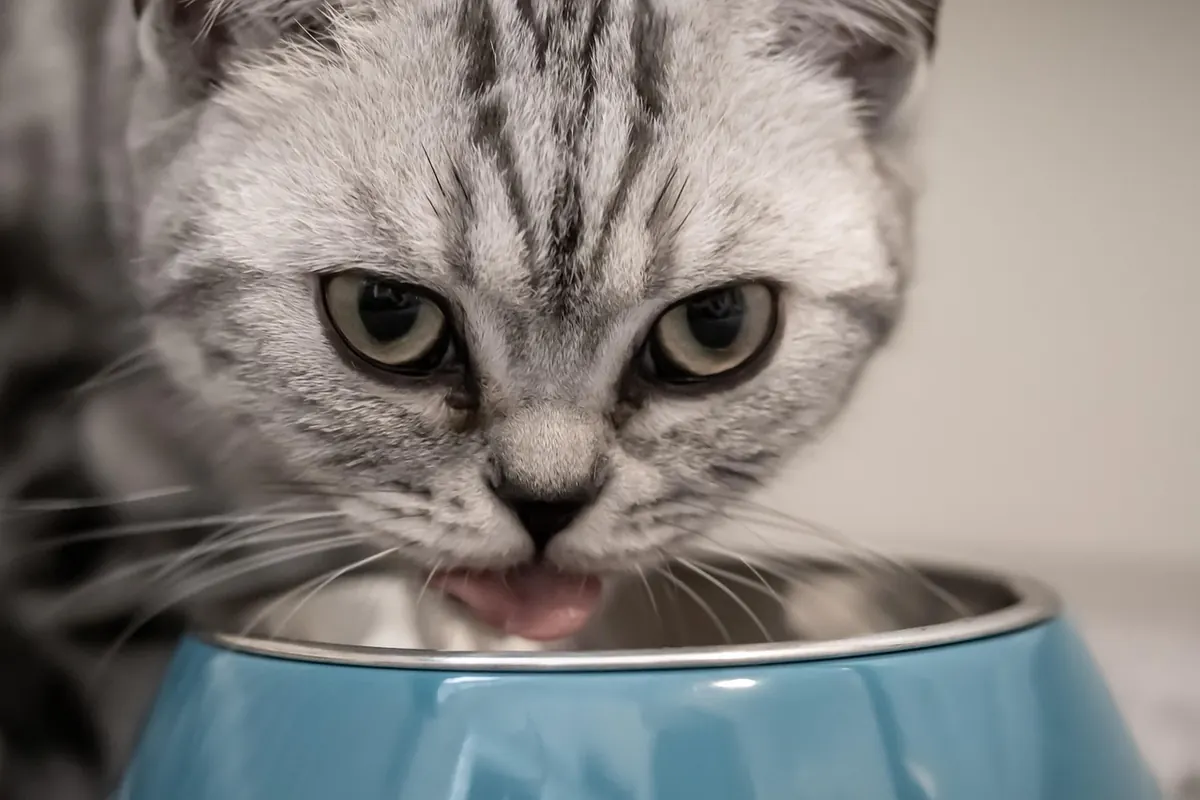
Walk down the cat food aisle and you will see the same argument playing out on every package: one brand swears by crunchy kibble, the next promises gravy-soaked shreds. Both can be complete, balanced, and genuinely good choices for the right cat. The decision usually comes down to details nobody prints on the front of the bag — moisture, cost, storage, and how your particular cat likes to eat.
Here is a straightforward comparison, whether you are feeding a kitten for the first time or rethinking a diet that is not quite working.
Wet food is roughly three-quarters water. Dry food is closer to one-tenth. That gap is the single clearest functional difference between the two, and it explains most of the other trade-offs.
Cats evolved hunting prey that was about 70 percent water, and they have a famously weak thirst drive. A cat eating only dry food will usually drink more from the bowl than a wet-fed cat, but still takes in less total water across the day. That does not make dry food a bad choice — plenty of cats live long, healthy lives on kibble — but it is worth knowing.
If your cat eats mostly dry, make water easy to find:
If your cat has been diagnosed with a urinary, kidney, or dental condition, ask your vet what moisture level and texture make sense. That is a medical conversation, not a label-reading one.
Dry food is cheaper per calorie, and it is not close. You are not paying to ship and package water, and a bag stretches further than a case of cans. Wet food costs more for the same amount of nutrition.
Two things complicate that simple math. First, cost per bag is meaningless; cost per day of feeding is what hits your budget. Second, waste counts. If your cat leaves half a can behind every meal, small cans may cost less overall than large ones you throw away. In a two-cat household, the reverse is often true — a big can split between two bowls is efficient.
If the budget only stretches so far, you do not have to pick a side. Swapping one meal a day to wet food is a reasonable middle path, and it is easier on the wallet than going fully wet.
Dry food wins on logistics. Scoop, reseal, done. An automatic feeder only works with kibble, which matters if you travel or work long shifts. Store kibble in its original bag inside an airtight container rather than dumping it loose — the bag carries the lot number and best-by date you would need if a recall ever happens.
Wet food asks a little more. An opened can goes straight into the fridge, covered, and gets used within a day or two, following whatever the label says. Cold food smells different and some cats refuse it, so let it sit out briefly or stir in a splash of warm water. Leftovers can be frozen in an ice cube tray and thawed one portion at a time.
Both wet and dry food can be complete and balanced. The line to look for is a nutritional adequacy statement saying the food meets established nutrient profiles for your cat's life stage — growth, maintenance, or all life stages. Without it, you are feeding a treat, not a diet.
A named protein near the top of the list is a decent signal, but it is not the whole story, and "grain-free" is not automatically better. By-products are organ meats, not filler, and they show up in plenty of quality foods. Pay attention to the product name itself: a food called "Chicken Cat Food" contains far more chicken than one called "Chicken Dinner," which in turn contains more than "Chicken Flavor."
Treat the label as a starting point, not a rule. You should be able to feel your cat's ribs without pressing hard and see a waist from above. Adjust by a small amount at a time and recheck in a couple of weeks.
Go slower for a sensitive stomach, and faster only if your vet has instructed it.
Dry food can be left out for grazing; wet food cannot sit for hours. If one cat inhales everything in sight, feed wet meals in separate rooms with the doors closed.
Crunchy kibble does not scrub teeth the way many owners assume. A few dental diets carry a veterinary oral health seal, but brushing remains the most effective home care. Ask your vet before assuming a texture is doing dental work.
If your budget and schedule allow it, feeding mostly wet with some dry for convenience is a solid default. If dry food suits your household better, put your effort into water access and portion control. Either way, buy the smallest size first, keep notes for a few weeks — coat, energy, litter box, weight — and adjust from there.
For any cat with a health condition, or if you are unsure whether a diet is right, your veterinarian is the person to ask. They know your cat, and that beats any comparison chart.
Photo: birgl / Pixabay
A practical guide to outfitting a small city apartment for a dog or cat, covering space-saving beds,...
A practical guide to summer dog walking gear — pavement checks, paw protection, cooling items, and water...
Most cat toys fail for predictable reasons: the wrong size, an off-putting texture, movement that doesn't...